Every awards season brings its own headlines; who was nominated, who was overlooked, and who might take home television’s biggest prize. But this year’s Emmy nominations tell a larger story, it’s a story about range.
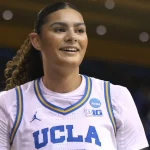
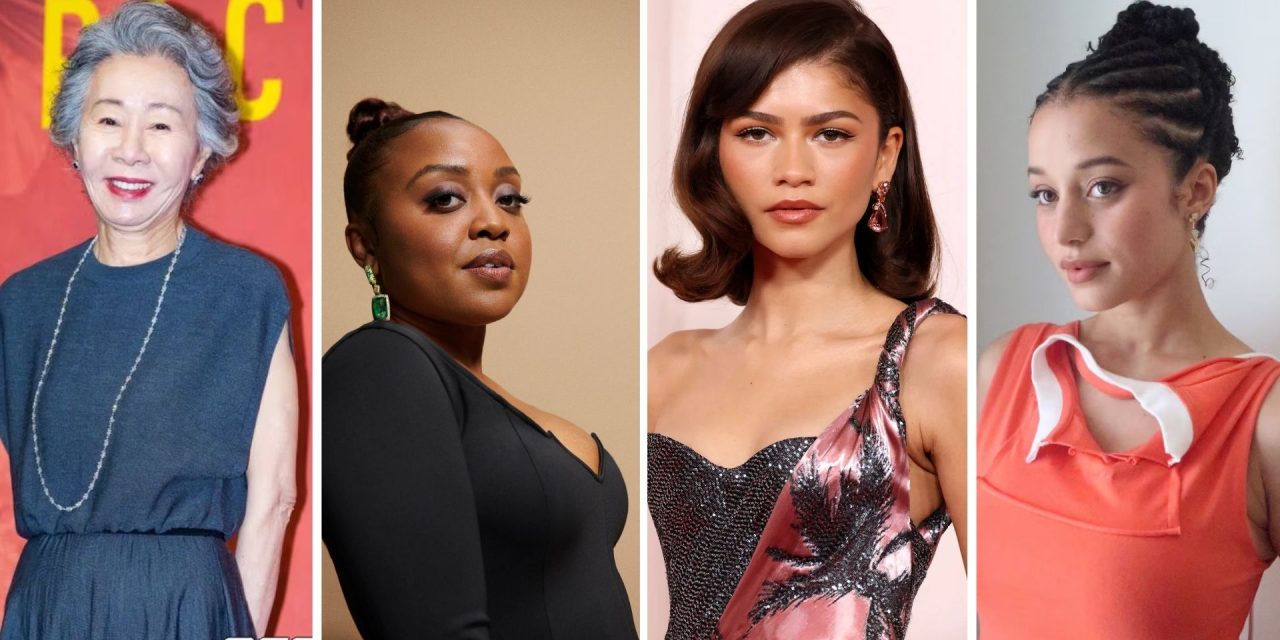
The 2026 nominees include an impressive lineup of Black, Asian, Latina, and multiracial women whose performances span some of television’s most acclaimed series. Zendaya earned a nomination for Euphoria, Quinta Brunson for Abbott Elementary, Ayo Edebiri for The Bear, Janelle James and Jessica Williams received supporting nominations for their comedic work, while Joy Sunday and acclaimed South Korean actress Youn Yuh-jung were recognized for standout performances in limited series. Perhaps one of the most exciting first-time nominees is Chase Infiniti, the Indianapolis-born actress nominated for Outstanding Lead Actress in a Drama Series for Hulu’s The Testaments.
For us at Hope+Wellth, Chase Infiniti’s nomination feels especially meaningful because Indianapolis is where Hope+Wellth was born. To watch someone from our own city step onto one of television’s biggest stages is a reminder that extraordinary talent isn’t limited by geography. Great storytellers don’t only come from Hollywood or New York. Sometimes they grow up in the same neighborhoods we drive through every day, attend our local schools, and quietly pursue dreams that eventually reach audiences around the world. Chase Infiniti’s first Emmy nomination isn’t just a personal milestone. It serves as inspiration for the next generation of creatives who may be wondering whether their zip code can shape their future. It can shape it, but it doesn’t have to limit it.
What makes this year’s nominations even more encouraging isn’t simply the number of women of color being recognized.It’s the variety of stories they’re being trusted to tell.
Not long ago, many women of color found themselves confined to a narrow collection of roles. They were often asked to portray trauma before joy, resilience before vulnerability, or strength without complexity. While those stories certainly deserve to be told, they were never the only stories worth telling.
This year’s nominees remind us that audiences are watching women of color lead workplace comedies, prestige dramas, psychological thrillers, dystopian series, family stories, and character-driven performances that allow them to be ambitious, flawed, funny, complicated, and most importantly, human. Streaming platforms have played a meaningful role in creating that opportunity. Streaming services like Hulu, Netflix, Max, Apple TV+, and others have expanded the television landscape, creating more room for stories that traditional network television may have once considered too specific, too risky, or too unconventional. Those platforms have introduced audiences to creators and performers whose work reflects a broader range of cultures, experiences, and perspectives.
However, none of this means that the work is finished. Women of color still remain underrepresented behind the camera as writers, directors, producers, and studio executives. Award recognition, while important, is only one measure of progress. Sustainable change also requires investment in the people making decisions about which stories receive funding, distribution, and long-term support because the goal isn’t simply about placing more women of color on television. The goal is to give them the freedom to tell every kind of story. When that happens, television becomes more honest, audiences become better served, and culture becomes more rich for all of us.