
You can tell when somebody really knows you by the questions they no longer have to ask.They know you want the corner piece. They know you’ll say you are not cold and reach for their jacket twenty minutes later anyway. They know that if you have gone unusually quiet in a room full of people, asking “What’s wrong?” in front of everybody is probably the quickest way to make sure you do not tell them. They know when you need to be talked out of your head and when talking is exactly the thing you cannot take anymore. Most of this knowledge only matters because it belongs to loving you. Maybe that’s why it feels so close.
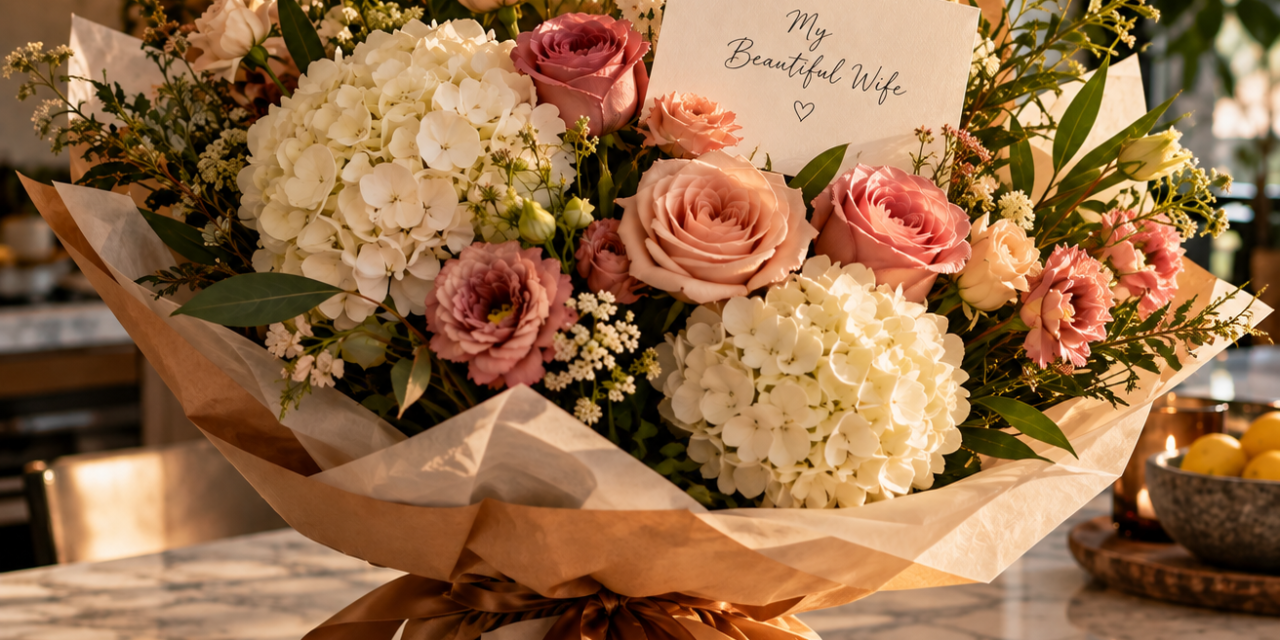
I have been thinking about this because so much of what we call a soft life is easy to recognize from across a room. The flowers are visible. So is the vacation, the beautiful home, the slow morning, the dinner reservation, the manicure, the robe, the life with enough margin that everything doesn’t have to be done tired. Even being provided for has a visible language. Somebody booked it. Somebody paid for it. Somebody took something off your plate.
I understand the appeal. I am not interested in making struggle more respectable than pleasure, especially for Black women. Suppose you like nice things, like them. If somebody wants to send the car, let them send the car. If you have spent years waking up to an alarm and dreaming about a life where Tuesday morning can occasionally belong to you, there is nothing shallow about wanting that. Sometimes I think we’ve learned to spot the kind of softness that photographs well and miss the kind that shows up in plain clothes.
There is an ease in being around people who already understand some of your language. Not all of it. Nobody should have to become a mind reader to qualify as loving. We still owe one another words. We still have to say when something changes, when something hurts, when the thing that used to be okay is not okay anymore. But there is a difference between communication and having to introduce yourself from scratch every time you need care.
Some relationships require an astonishing amount of translation. You explain that being quiet does not mean you are angry. Then you explain it again next month. You say you do not like being joked about that way, only to be asked to prove that the joke was offensive enough for your discomfort to count. You say no and spend the next half hour managing somebody else’s reaction to it. You admit you are overwhelmed and somehow end up reassuring the person who asked. After a while, you start living the feeling and rehearsing how to explain it at the same time.
I think Black women can become especially familiar with that performance because competence follows many of us into rooms before anybody thinks to look for anything else. There can be real affection in calling a Black woman strong. Sometimes it is simply true. She is capable. She is resourceful. She is the sister everybody calls because she knows what to do next. She has the phone number, the backup plan, the spare charger, and a cousin who “does something with insurance,” though nobody can ever remember his exact job title. She is good in a crisis. She has made a life out of figuring things out. Those are not bad qualities. I would never ask a woman to become less capable so other people can feel more comfortable caring for her. The trouble comes after everyone gets used to her always knowing what to do. People stop offering because she usually handles it. They stop checking because she always comes through. Her reliability becomes so familiar that it starts to look less like something she is giving and more like part of the furniture. She will figure it out. She always does, and she probably will but that was never really the point.
There is a difference between knowing somebody can carry something and noticing that it is heavy. Too often, concern becomes urgent only after the carrying gets ugly. She misses something. She snaps. She cries. She stops answering. Whatever she has been balancing finally hits the floor loudly enough for everybody else to hear it, and suddenly the room fills with questions about why she did not say she needed help. Sometimes she did say it. She just did not collapse while saying it.
 I keep thinking about the kind of care that doesn’t wait for an emergency to pay attention. You see it in friendships all the time. A friend knows you well enough to understand that “Do you want my opinion?” is a different question from “Do you want me to agree that he got on your nerves?” She knows when you need a real answer and when you need ten minutes of dramatic encouragement before the real answer can begin. She notices when you order coffee and nothing else, even though you’re usually the first person to ask if anybody wants to split an appetizer. She knows your silence well enough not to make every quiet moment about herself.
Families collect this information too, although family has a funny habit of believing longevity automatically equals current knowledge. Somebody changed your diapers, so now they are convinced they know what you are thinking at thirty-four. Your aunt remembers what you hated at eleven and is personally offended to discover you eat it now. Your mother says, “You don’t like those,” while you are actively eating one.
It’s funny, but there’s something underneath it. Knowing someone for a long time isn’t the same as still knowing them. People change in small ways before they change in ways anybody thinks to announce. The friend who used to want company after every breakup starts wanting one night alone first. The daughter who told her family everything becomes more private. The woman everybody knows as easygoing starts deciding there are quite a few things she no longer wants to go along with.
If love is paying attention, then part of it is remembering to update what you know.
“I know you” should not mean “I memorized you once.”
Romance makes this particularly easy to get wrong because wanting somebody can feel so close to knowing them. Somebody can be fascinated by you. They can think you are beautiful, talk about you constantly, want to be near you, imagine a future with you, and still miss entire sections of who you are. Being desired is not the same thing as being known. Neither, for that matter, is being chosen. A person can choose the version of you who makes sense to them. The independent woman. The funny one. The nurturing one. The one who does not ask for much. The woman who “isn’t like that.” Then one day you need something outside the job description, and suddenly your humanity feels like a plot twist.
That is why some of the most intimate things in a relationship are not especially romantic. It is somebody noticing you have been rubbing the same spot between your eyebrows for twenty minutes and lowering the television without making a production of it. It is your partner knowing that if you say “It’s whatever” in that particular tone, it is very much not whatever, but also knowing better than to corner you into a conversation before you are ready. It is somebody learning what kind of help actually helps you instead of continuing to offer the kind that makes them feel useful. It’s memory, but it’s also wanting to keep learning.
That matters because being known should not become another cage. There is no tenderness in somebody insisting you cannot be different because they remember who you used to be. Intimacy should leave room for revision. I can know you deeply and still expect to meet parts of you I have not met yet. Maybe that’s the kind of softness I keep trying to name. Not a life where nobody ever misunderstands you. Not relationships where you never have to ask clearly for what you need. Certainly not some perfect circle of people who anticipate every feeling before you have it. Just less proving; less having to turn hurt into a legal argument before somebody agrees it counts; less making a boundary sound pleasant enough to keep everyone comfortable, and less waiting until the capable woman is visibly drowning before deciding she deserves a hand.
I still like the visible things. I hope there are flowers on the counter and trips on the calendar. I hope there are mornings with nowhere urgent to be and dinners where the only work required of you is deciding what you want. But there’s another kind of ease that belongs right alongside all of that. It is the friend who already moved her bag from the passenger seat because she knew you were coming. The person who saves you the piece you like without mentioning that they did. The family member who notices you are reaching your limit and does not wait for you to perform exhaustion convincingly enough to intervene. This lover understands that your no is information, not the beginning of negotiations. None of it would make much of a photograph. Still, there’s something rich about moving through a life where, in a few beloved places, you don’t have to keep raising your voice just to be understood. Sometimes being cared for is being known well enough to be allowed to speak at your normal volume.