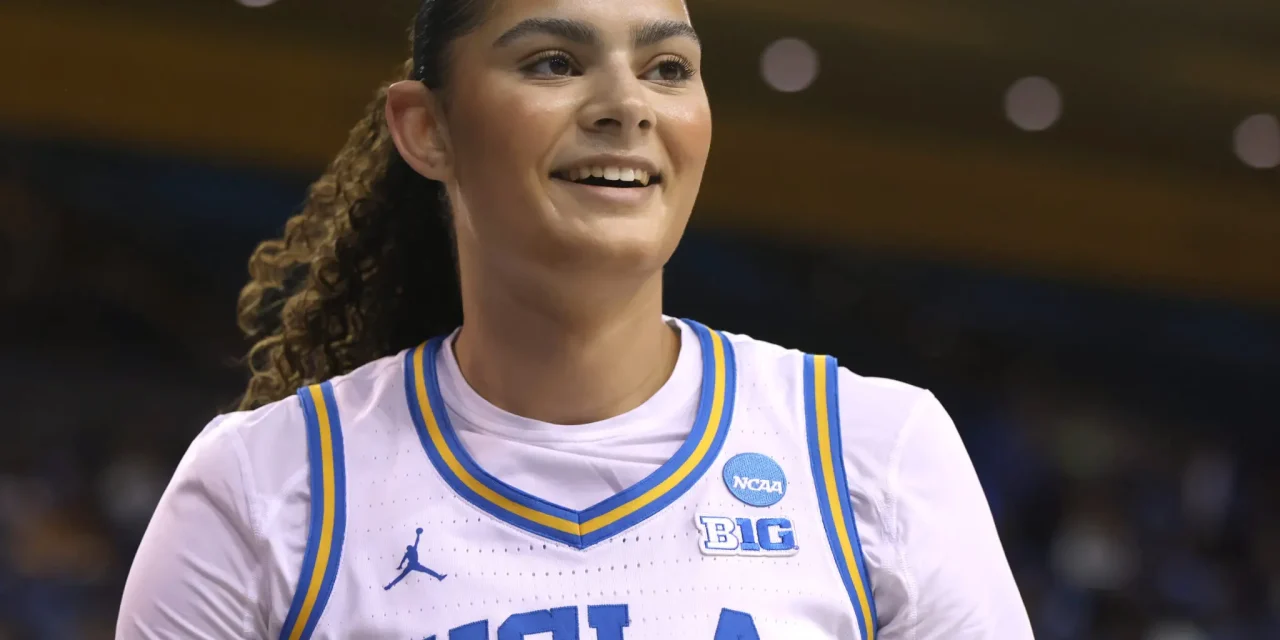
On one of the largest nights in sports, Lauren Betts, a Washington Mystics rookie in the WNBA, could have spent her acceptance speech talking about championships, records, or the remarkable season that led her being named Best College Athlete in Women’s Sports a the 2026 ESPY Awards, but instead, she chose to talk about depression.
The former UCLA standout used her moment on stage to share that she experienced clinical depression during college and to encourage others to prioritize their mental health. Her message was simple, but powerful. Emotional well-being is not separate from success; it is the foundation that makes success sustainable. The speech quickly resonated with audiences, reminding viewers that even those who appear to have everything together may be carrying struggles no one else can see. Her honesty challenges one our culture’s most persistent myths and that is that achievement is evidence of emotional well-being.
For many high-achieving women, the opposite can feel true. Promotions are earned while quietly battling anxiety. Degrees are completed through exhaustion and burnout, and businesses are being built while carrying grief, depression, and/or chronic stress. The applause grows lounger, but the internal pressure often grows much heavier. From the outside, success can look like confidence. However, on the inside, it can coexist with exhaustion, loneliness, or emotional pain. Women who are expected to lead, perform, or constantly demonstrate resilience often learn to become exceptionally good at functioning while struggling. Too often, the question is whether or not someone is succeeding, but it isn’t whether they feel safe enough to admit they’re not okay.
This is what made Betts’ speech so significant. She didn’t wait until her career was over to tell the truth. She didn’t present her depression as a chapter she had completely conquered before speaking about it publicly. She used one of the most visible moments of her young career to remind others that seeking support is not a sign of weakness, but of wisdom. In doing so, she expanded the conversation around mental health crisis management to everyday well-being.
Her words also reflect a broader cultural shift because more athletes are speaking openly about therapy, anxiety, depression, and the psychological demands of elite performance. These conversation matter because they help dismantle the harmful belief that strength requires silence. They remind us that resilience is not about ignoring emotional pain, but responding to it with care. But the most important takeaway from Betts’ ESPY moment is that titles don’t eliminate depression, awards don’t erase anxiety, and success is not proof that someone is okay.
Big up to Lauren for using her moment to tell her truth. Sometimes the strongest person int he room is the one willing to say, “I’m hurting” and true leadership isn’t always about inspiring someone with another achievement, but using their platform to give people permission to be human.